
The Museum of Old Vaasa
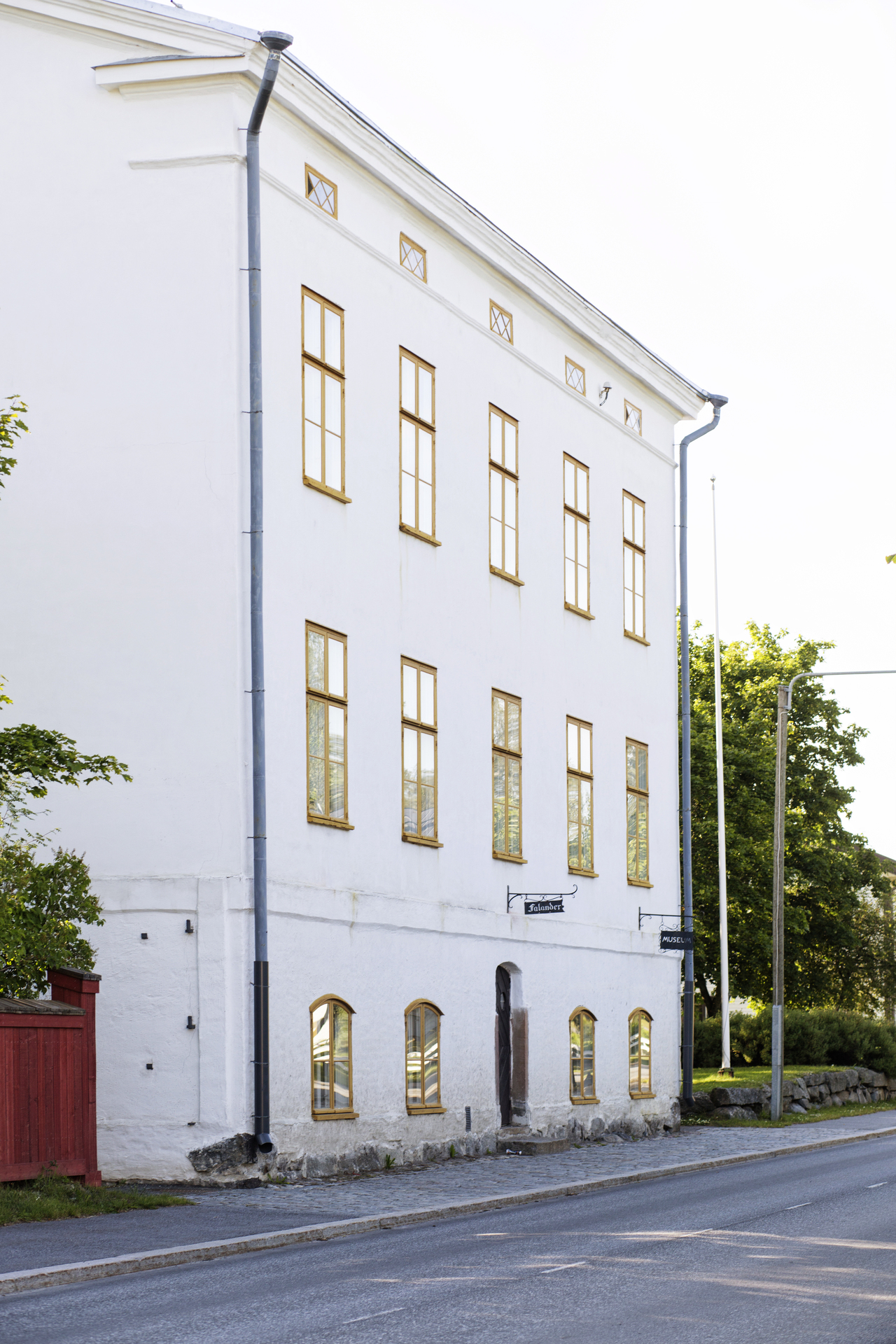
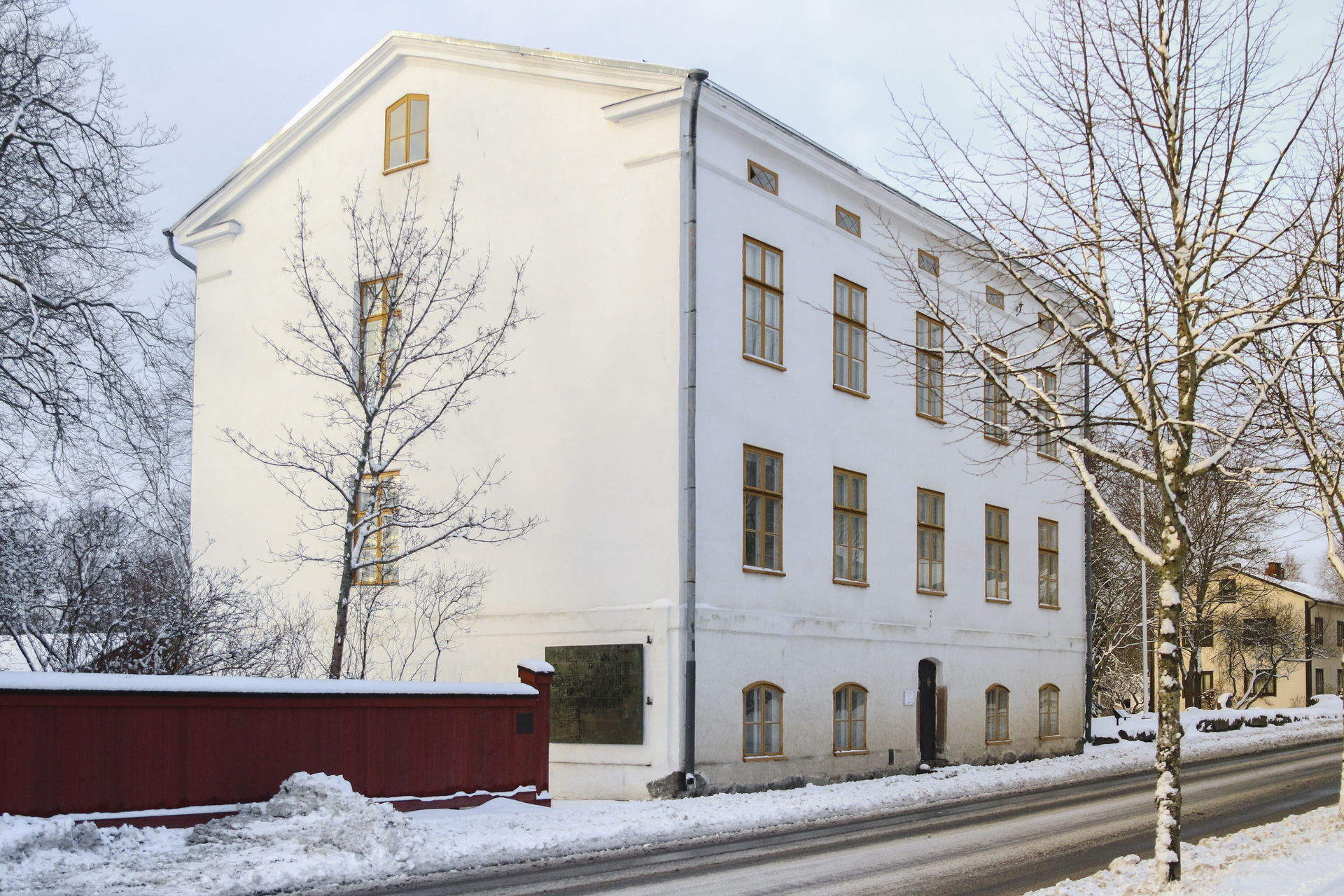
The Museum of Old Vaasa is located in the Wasastjerna House in the Old Vaasa district. At the museum you can explore Vaasa’s history before the 1852 fire, which destroyed a large part of the city at that time.

Explore and visit
Exhibitions and events
Explore the current exhibition and event offerings of Vaasa museums!
Visit the museum
Here you will find all the necessary information before your visit to the museum.
Museum contact information
From this page you will find the general contact details of Vaasa museums as well as staff contact information.
About the museum
Learn about the Museum of Old Vaasa, its historic building and rooms.
The Museum of Old Vaasa is located in the Wasastjerna House in the Old Vaasa district. At the museum you can explore Vaasa’s history before the 1852 fire, which destroyed most of the city of Vaasa at that time.
At the museum’s ticket desk a selection of cards, history-related museum shop products and books are for sale. The vaulted storage room on the first floor has been furnished as the café Falander’s Cellar, where you can enjoy coffee, tea and refreshments.
The Wasastjerna House was built in 1780–81 by shipowner, merchant and member of parliament Abraham Falander (1746–1815), ennobled as Wasastjerna. It was the city’s only private stone house that survived the 1852 fire. The building has two residential floors and two vaulted storage and cellar floors.
After Wasastjerna’s death the house was rented as accommodation and in the 1840s, for example, the Vaasa Gymnasium and the Vaasa Savings Bank operated in the house. In the early 20th century the building was used by the Old Pharmacy of Vaasa. In connection with the 100th anniversary commemorations of the Vaasa fire in 1952 the house was opened to the public as a museum.
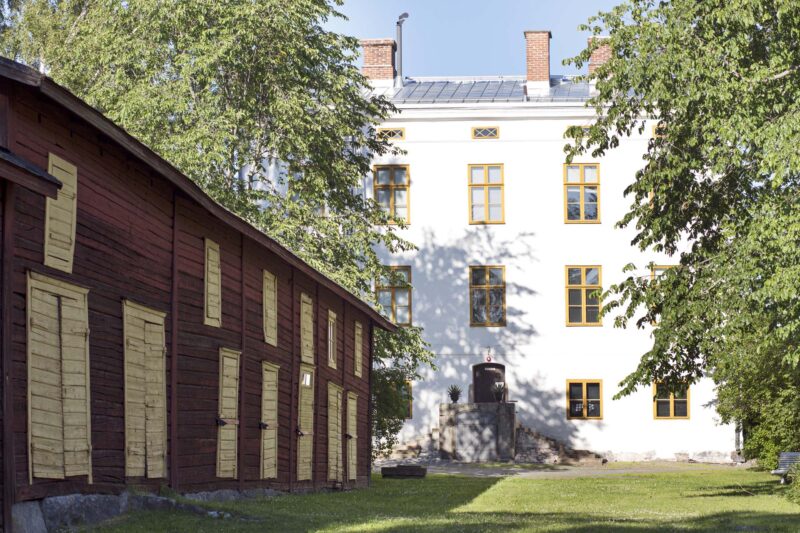
The museum’s courtyard was complemented in the 1950s by moving outbuildings from the new Vaasa to the edges of the yard, an 18th-century granary from Sulva and the Louko cottage from Ylistaro, which according to oral tradition was a peasant cottage saved from the destruction of the Great Wrath.
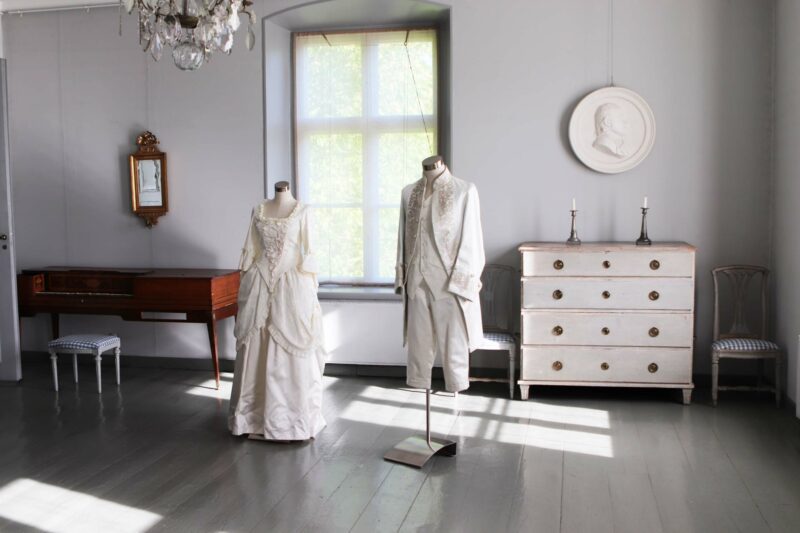
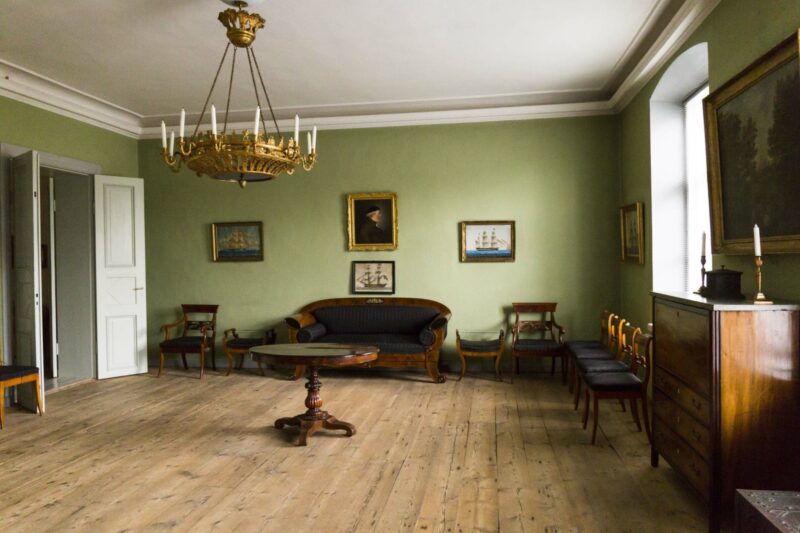
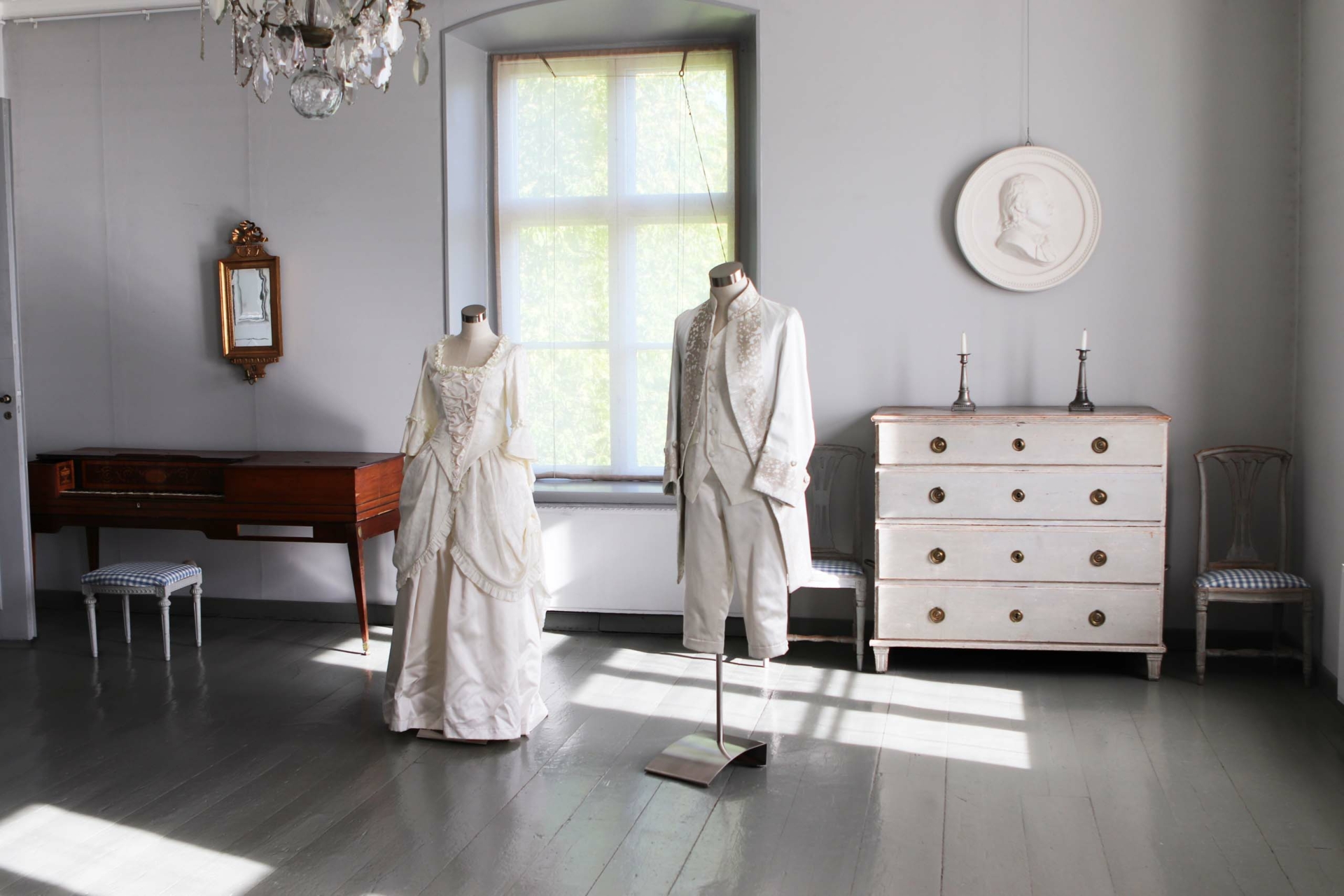
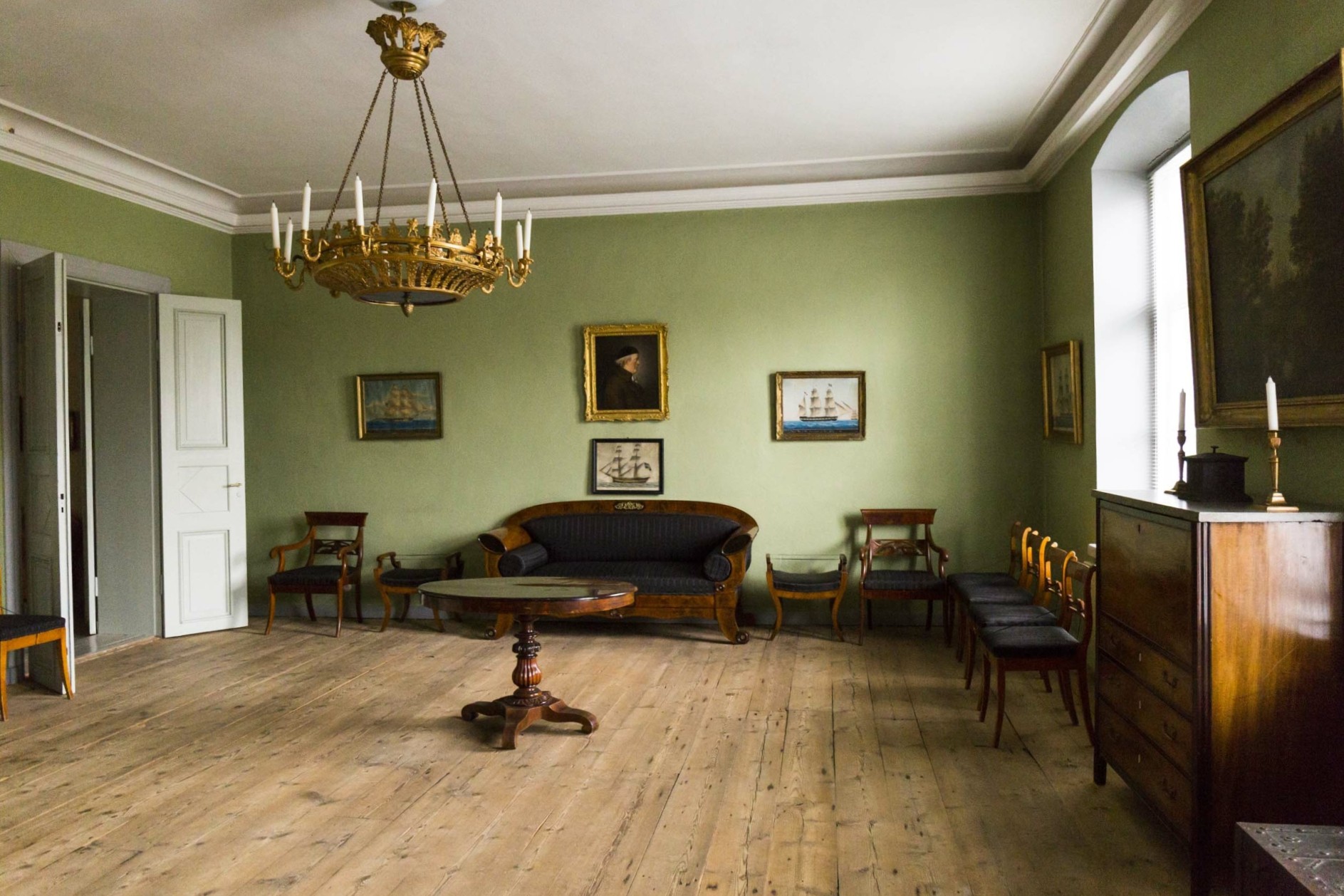
The museum’s rooms are furnished in the style of 18th- and 19th-century bourgeois homes with period furniture and household and decorative items from Vaasa homes that survived the fire. The city’s scale model and the shipowner’s office also tell about life in earlier years.
On the second floor the period of Russian rule is presented along with empire- and Biedermeier-style interiors with furniture. The 19th-century shipowner’s office has also been furnished there to reflect the activities of merchant and shipowner Carl Gustaf Wolff in the city.
The third floor focuses on the period of Swedish rule. The rooms are mainly furnished in the Gustavian style. One of the rooms is furnished as a bedroom with a side-pull bed and servant’s mirrors. The floor also includes a room furnished with the Falander family’s furniture.
-
The Museum of Old Vaasa
Vanhan Vaasan museo on esteellinen rakennus. Museoon ei ole portaatonta sisäänkäyntiä eikä luiskaa sisäänkäynnillä. Museon sisällä ei pääse liikkumaan tilaa vievän apuvälineen kanssa tilojen ahtauden vuoksi.
Museon pääsisäänkäynnin eteen on mahdollista ajaa autolla.


