
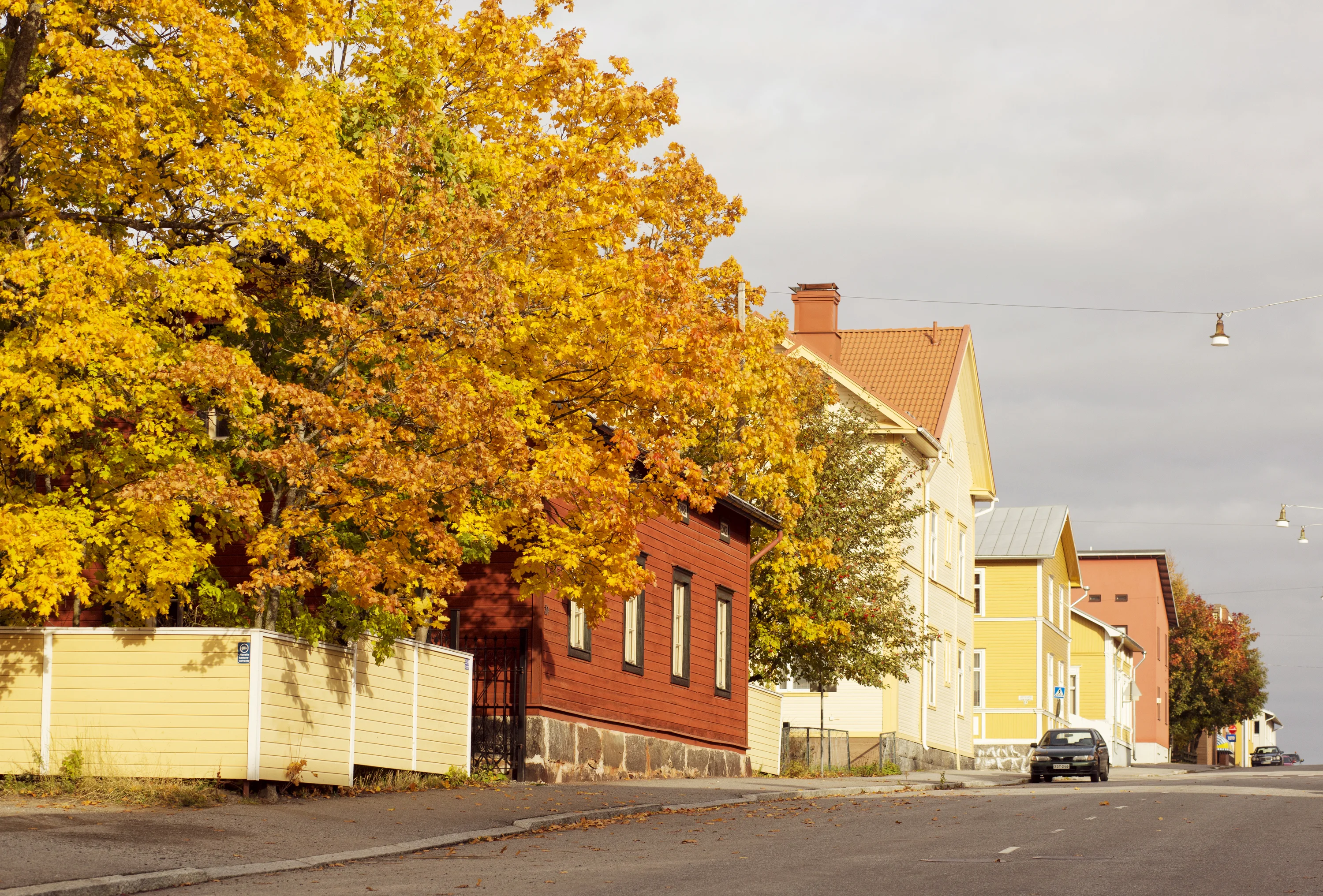
Housing and the heating of buildings cause a significant share of emissions in Vaasa every year. Small everyday actions can save money, energy and nature. Read our tips for an energy-efficient everyday life below!
Reducing energy consumption in everyday life is important both for the environment and for financial savings. Whether you live in an apartment building or a detached house, there are several simple and effective ways to reduce energy consumption. Below you will find some of the most common tips that are suitable for different types of housing:
- Heating and cooling: Set the room temperature to an appropriate level (living spaces 20–22 °C). Reducing the room temperature by just one degree can create 5% savings in heating costs (Motiva). Make sure door and window seals are in good condition to reduce the need for heating and cooling.
- Water consumption: Use water sparingly, especially hot water. Run full loads in the washing machine and dishwasher, and use the washing machine at a lower temperature. In housing companies and detached houses, water-saving fixtures can help curb water use.
- Electrical devices and appliances: Choose energy-efficient appliances and lighting if possible. Turn off electrical devices when you do not need them.
You can find more everyday energy-saving tips on Motiva’s website.
Energy renovations
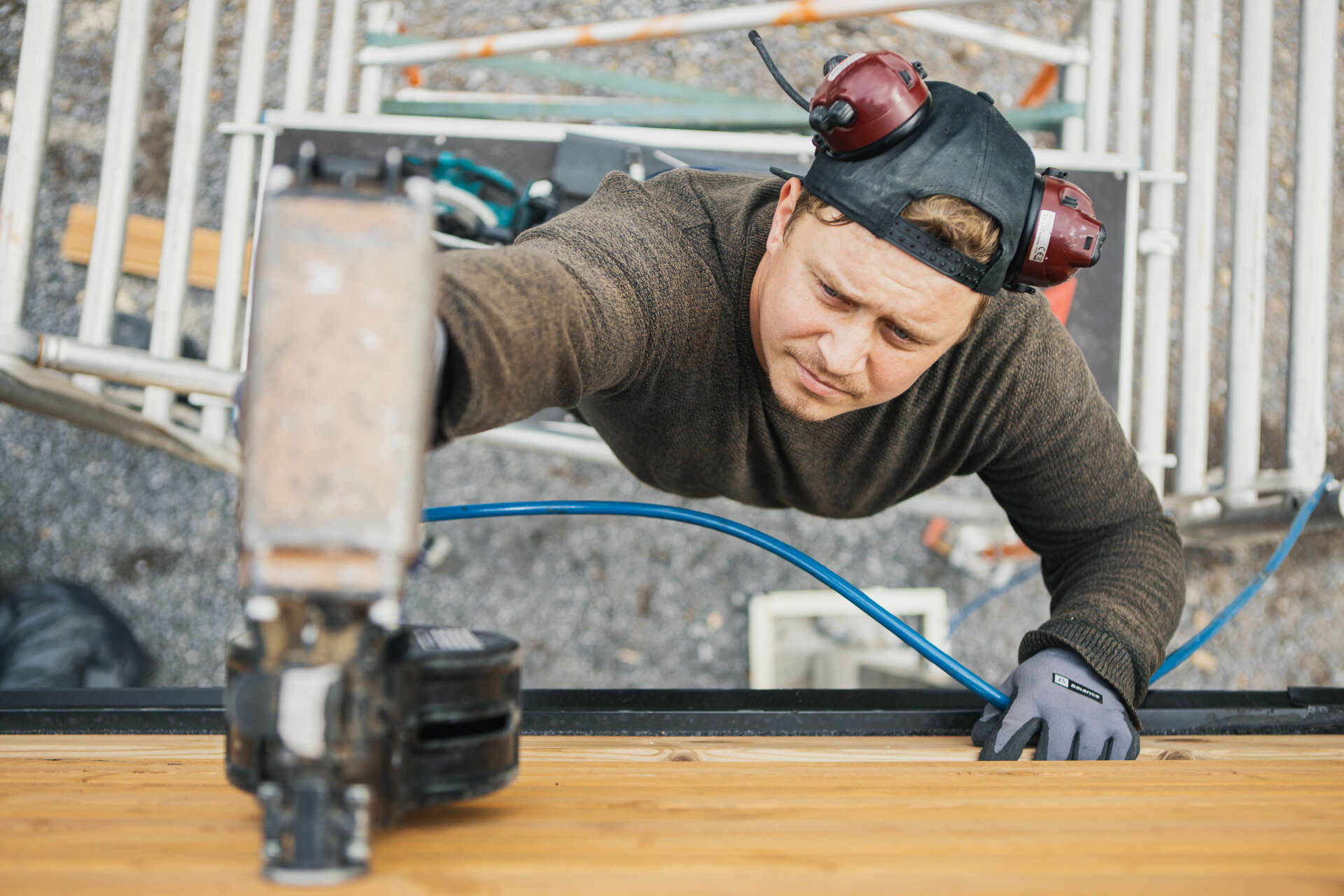
Energy renovations refer to measures that improve a building’s energy efficiency. This can include, for example, replacing windows and doors, adding insulation, improving the ventilation system or installing renewable energy sources such as solar panels.
When carrying out larger basic repairs and renovations, it is worth taking energy efficiency into account as well. There are many benefits to energy renovations; the most significant are listed below.
- Reduced energy consumption and financial savings: Energy renovations reduce household energy consumption, which leads to lower electricity bills.
- Living comfort: Energy renovations improve living comfort. For example, better insulation, energy-efficient windows and heat pumps are ways to keep the home warm in winter and cool in summer.
- Environmental friendliness: Reducing energy consumption decreases the home’s emissions.
Read more on Motiva’s site in the Home and housing section or in the Energy renovations for single-family houses section.
Sustainability of construction and renovation
Sustainable construction and renovation refer to responsible, environmentally friendly and long-lasting solutions. Sustainable construction and renovation reduce the environmental impacts of buildings over their entire lifecycle. This includes material choices, energy efficiency and minimizing waste.
Energy efficiency: Utilise solutions that improve energy efficiency, such as insulation, double- or triple-glazed windows and energy-efficient appliances.
Durable materials: Favor durable, long-lasting and low-maintenance materials when renovating and building.
Circular economy solutions: By using recycled or reused building materials, you can save money. For example, reusing old bricks, timber and other demolition materials can be cost-effective. When demolishing older structures, you can save usable materials and use them again in renovations or new building projects.
Reducing construction waste: Sorting and recycling construction and renovation waste can reduce waste costs.
- Read more on Stormossen’s pages about the topic..
- You can find more tips in the small-property demolisher’s guide prepared by the ELY Centre for South Ostrobothnia.
Modular construction as an alternative: Modular construction solutions, where prefabricated modules are used, can reduce waste and save construction time and costs.
More information on sustainable housing and construction
Home climate tips – Ilmastohelppi
Ilmastohelppi is an online service implemented in cooperation between the Finnish Association for Nature Conservation, the Ministry of the Environment and Sitra. The free site offers concrete climate tips for every home and for different types of housing.
Housing and cottage life – Ympäristö.fi
The environmental administration’s web service offers practical tips for a more sustainable everyday life. On the page about housing you can read about the environmental impacts of acquiring and building a home as well as different housing practices.

Consumer energy advice (in Finnish) – Motiva
Consumers can contact energy advisors either through the national advisory service or through regional energy advisors operating in the counties.